Yucatán is the state in Mexico that stands out the most worldwide for its recognizable pyramids and ancient Mayan cities. The Mayan culture has fascinated and sparked interest because of its history and legacy over the years, so much so that one of its archaeological sites is now part of the 7 Wonders of the World.
For this reason, the Yucatán Peninsula is home to several Mayan cities that have already been declared UNESCO World Heritage Sites.
Here we’ll tell you which ones they are:
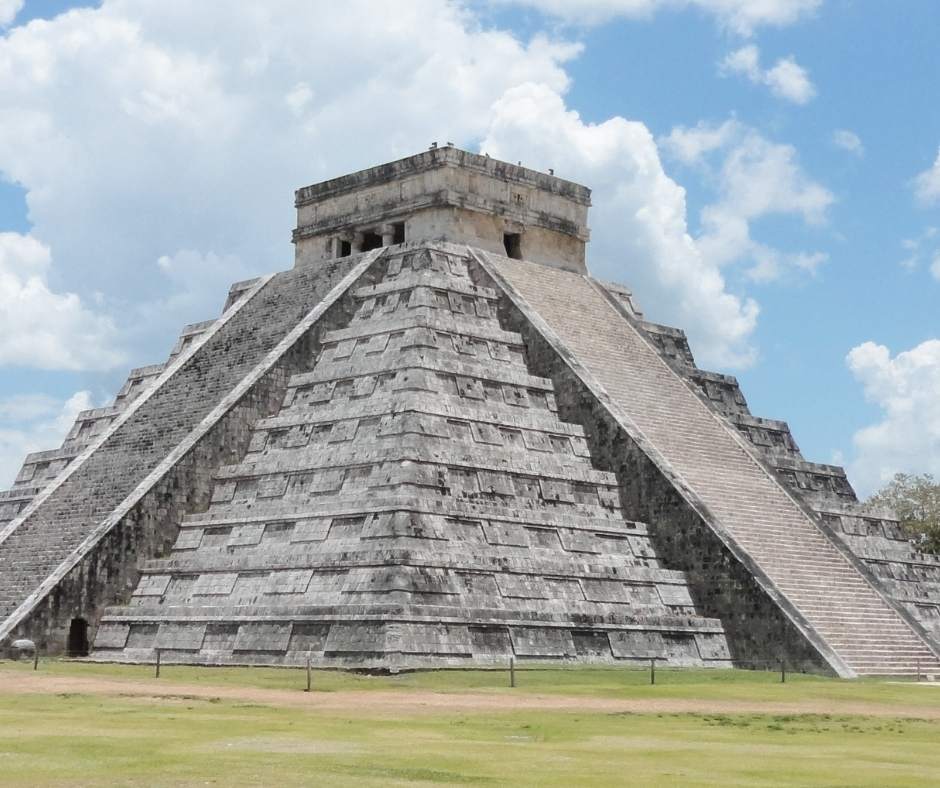
As we know, Chichen Itzá has been one of the 7 Wonders of the Modern World since July 7th, 2007.
In addition, Chichen Itzá was also declared a UNESCO World Heritage Site in 1988 because of its historical, cultural, and especially architectural importance. The Temple of Kukulkán, the Temple of the Warriors, and El Caracol (the Observatory) are some of the most outstanding structures in this ancient Mayan city.
The site receives over 2 million visitors every year, making it one of the most popular destinations in Mexico.
This Mayan city is open every day of the year from 8:00 AM to 5:00 PM.
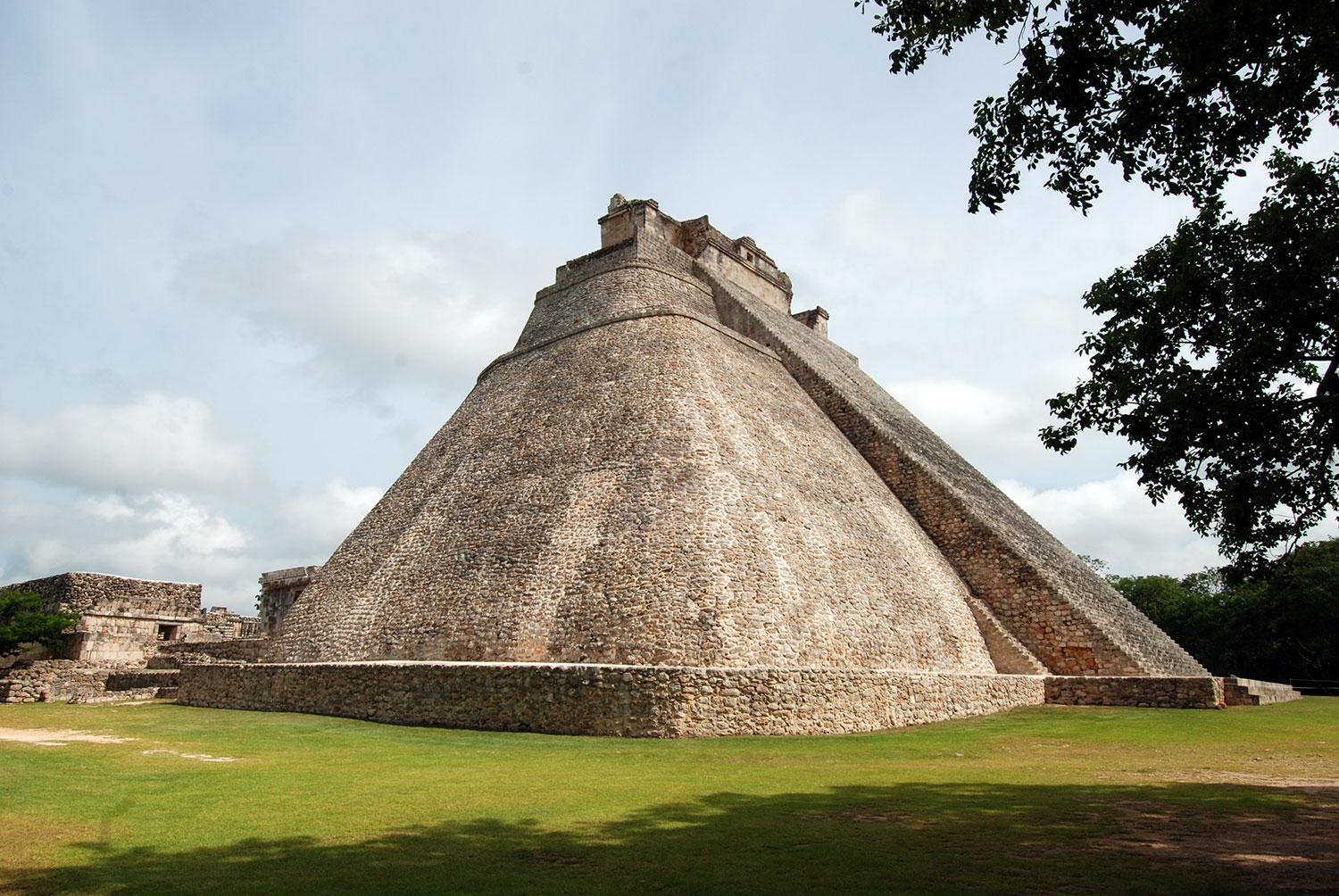
Uxmal is an ancient Mayan city located in the south of Yucatán state, just 1 hour and 15 minutes from Mérida.
“The three-times built” is the meaning of the Mayan word “Uxmal.” This city is one of the most important archaeological sites in the Yucatán Peninsula and is known for its Puuc architectural style, which can be seen in the detailed decorations on the facades of its buildings.
This architectural gem was declared a UNESCO World Heritage Site in 1996, seven years after Chichen Itzá received the same recognition.
The Pyramid of the Magician is the main structure that represents this Mayan city, known for its unique oval shape, different from other cultures. It is believed to be made up of five temples built in different periods and architectural styles. The pyramid stands 35 meters tall and has 159 steps leading to the upper temple.
Just like Chichen Itzá, Uxmal also offers a night light and sound show called “Echoes of Uxmal,” available from Tuesday to Sunday starting at 7:30 PM.
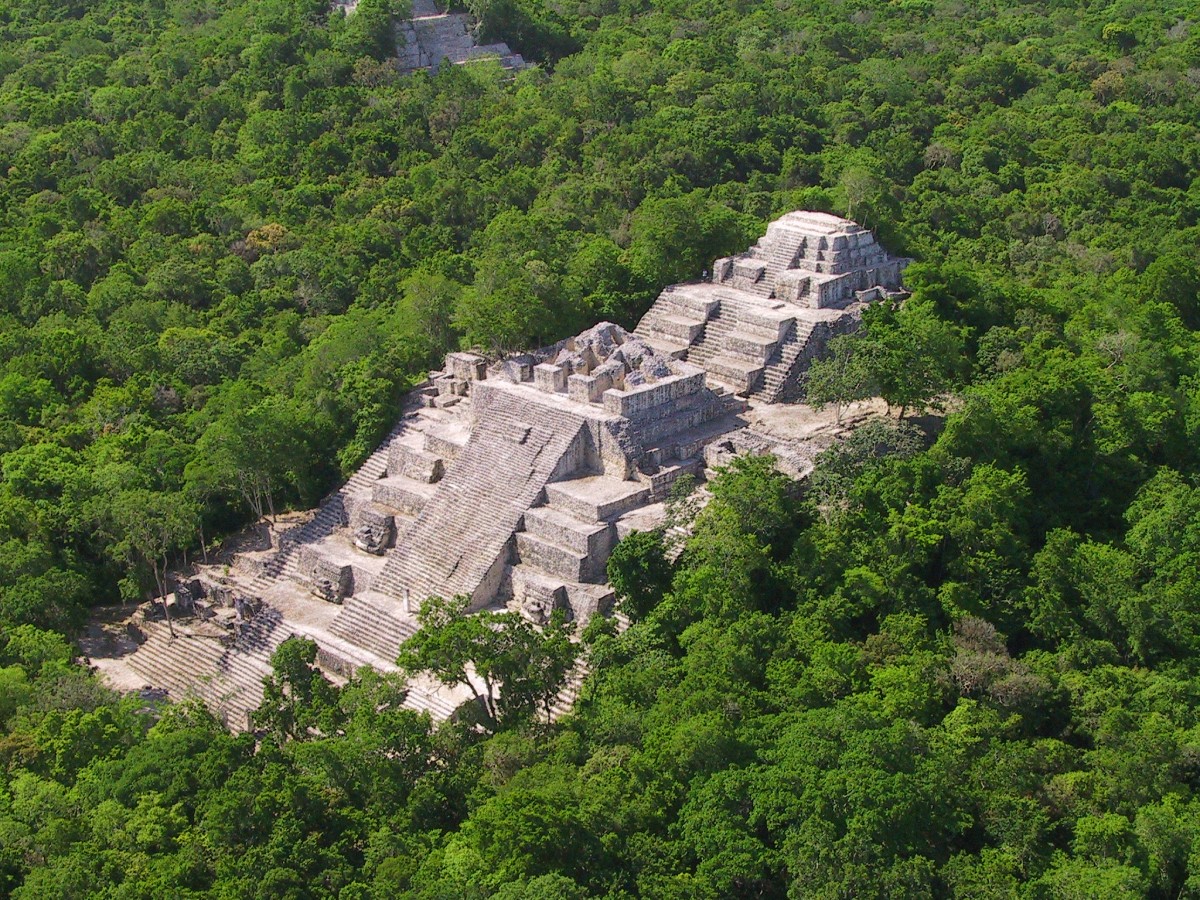
Calakmul is one of the Mayan ruins that holds this UNESCO World Heritage designation. It is located in the state of Campeche, in southern Mexico, just 30 kilometers from the border with Guatemala.
Calakmul means “Two Adjacent Mounds,” a name that refers to the large structures that rise above the jungle. It is one of the most important Mayan cities outside of Yucatán and one of the largest ever discovered.
Surrounded by vast tropical rainforest rich in flora and fauna, Calakmul is believed to have once been home to more than 50,000 inhabitants at its peak. It also features one of the tallest pyramids, reaching up to 45 meters in height.
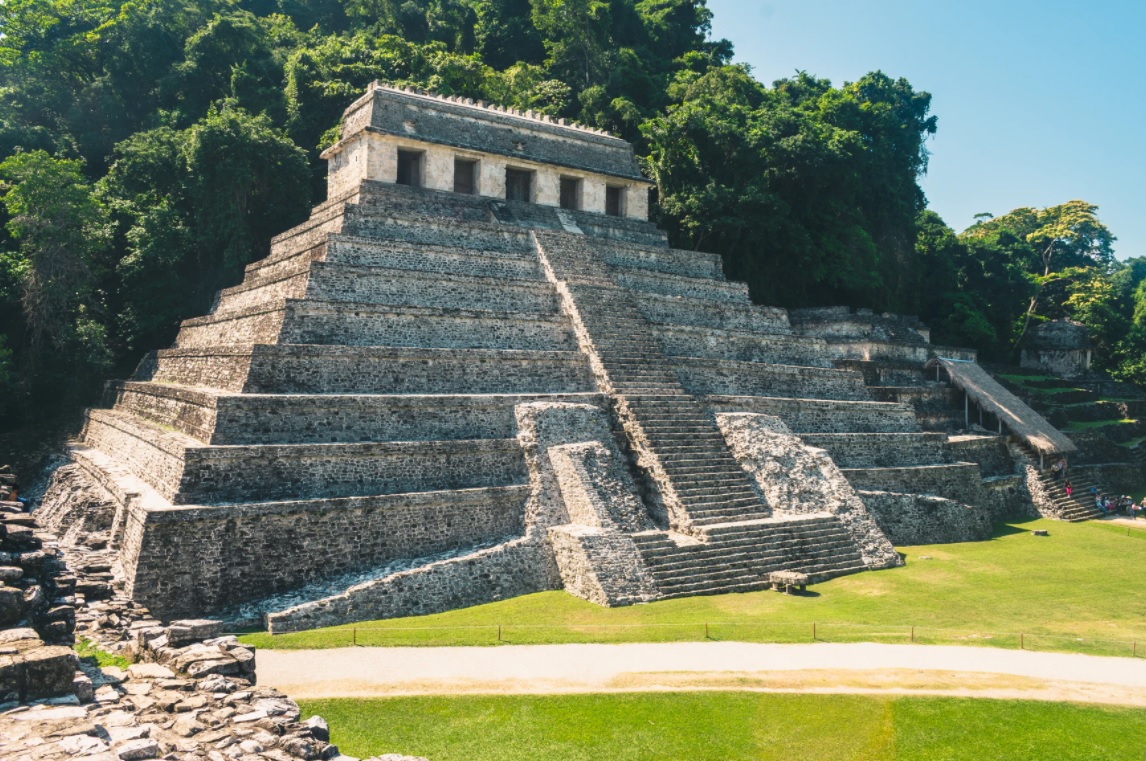
This Mayan city is located in the state of Chiapas, Mexico. It holds great historical, artistic, and spiritual value. Palenque was inscribed as a UNESCO World Heritage Site in 1987, recognizing the importance of its architecture and history.
Palenque means “a place surrounded by a wooden fence or stakes,” and it was one of the most important Mayan cities of its time, alongside Calakmul and Tikal, another significant Mayan city.
One of its most outstanding structures is the Temple of the Inscriptions, a building best known as the site where the tomb and funerary treasures of Pakal the Great were discovered.
The Mayan cities declared UNESCO World Heritage Sites in the Yucatán Peninsula and its surrounding areas are much more than remnants of the past. They represent a living window into one of the most advanced civilizations of the ancient world. From the majestic Chichén Itzá to the jungle-covered Calakmul, each site offers a unique, enriching experience deeply connected to the history of Mexico and humanity.
Exploring these destinations is not only a journey into the heart of the Mayan world, but also an opportunity to preserve and appreciate the cultural legacy that still lives on in every stone, temple, and legend.

 ESPAÑOL
 FRANCES
 PORTUGUES
 ITALIANO