Deep in the heart of the Yucatán Peninsula, a team of archaeologists has made a remarkable discovery: a lost Mayan village that has been hidden for centuries. The village, which is believed to have been inhabited between the 7th and 10th centuries AD, is surrounded by caves, cenotes, and grottos.
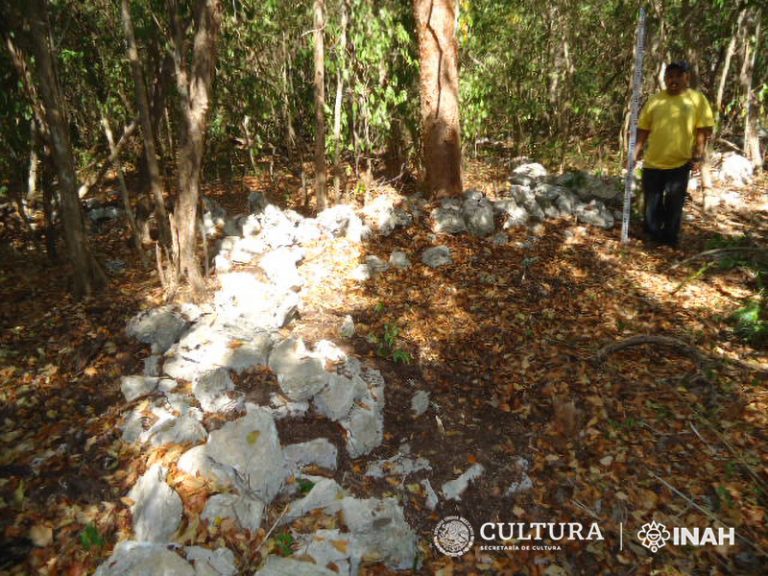
In a remote area of the Yucatán Peninsula, archaeologists have discovered a lost Mayan village. The village, which is believed to have been inhabited between the 7th and 10th centuries AD, is surrounded by caves, cenotes, and grottos. The discovery was made by a team of archaeologists from the National Institute of Anthropology and History (INAH) who were conducting a survey of the area. The team was using ground-penetrating radar to search for hidden structures when they came across the remains of the Mayan village.
The archaeologists have been excavating the site since 2022, and they have already uncovered a number of important artifacts. These include pottery, jewelry, and stone tools. They have also found the remains of several structures, including temples, houses, and a ball court.
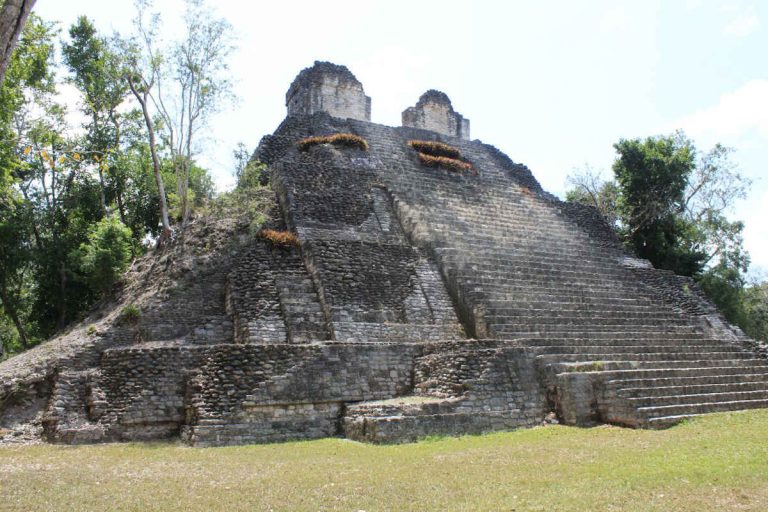
The archaeologists believe that the village was once a major center of trade and commerce. The location of the village, near the coast, would have made it an ideal spot for trading with other Mayan communities. The caves, cenotes, and grottos would have provided the villagers with a source of fresh water and a place to store food.
The discovery of the Mayan village is significant because it provides new insights into the history and culture of the Maya. The village is also a valuable archaeological resource, and archaeologists will continue to study it in the coming years.
The discovery of the Mayan village has sparked a renewed interest in the history of the Yucatán Peninsula. The area is home to a number of other Mayan ruins, including Chichen Itza, Tulum, and Coba. These ruins are a testament to the rich history and culture of the Maya, and they continue to attract visitors from all over the world.
The discovery of the Mayan village is a reminder that there is still much we don't know about the Maya. The archaeologists are excited to continue their work at the site, and they hope to learn more about the history and culture of this ancient civilization.
The Mayan civilization was one of the most important in Mesoamerica. They were skilled farmers, engineers, and astronomers, and they built some of the most impressive structures in the Americas, including Chichen Itza, Tulum, and Coba.
The Maya had a profound impact on the Yucatán Peninsula. They developed a complex system of hieroglyphic writing, and they created a rich mythology and cosmology. Their art and architecture are still admired today, and their influence can be seen in the cultures of the Yucatán Peninsula even today.
The Maya were also important traders, and they had extensive trade networks throughout Mesoamerica. They traded goods such as obsidian, jade, and cacao, and they also traded ideas and technology.
The Maya civilization declined in the 10th century AD, but their legacy lives on. The Yucatán Peninsula is home to a number of Mayan ruins, and the Maya people still live in the region. The Maya continue to practice their traditional culture, and they are an important part of the cultural fabric of the Yucatán Peninsula.

 ESPAÑOL
 FRANCES
 PORTUGUES
 ITALIANO