Booking this Tour for
190 USDAs one of the most important city-states in pre-Hispanic America, Chichen Itza is one of the most visited archaeological sites in Mexico today.
Chichen Itza, one of the New 7 Wonders of The World according to UNESCO, since July 7th, 2007
Meaning: “Chichen Itza”, At the brim of the well where the Wise Men of the Water Live. This is what Chichen Itza means in Maya.
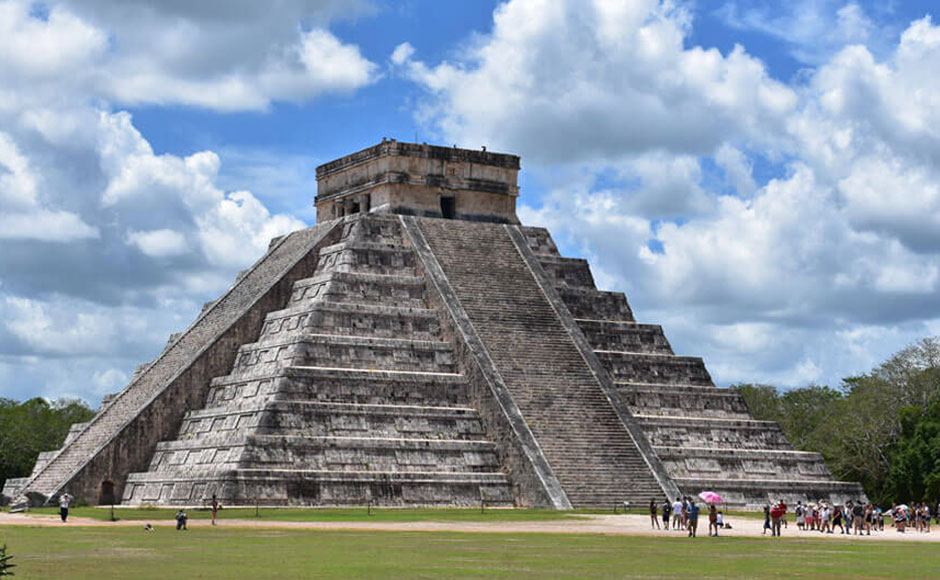
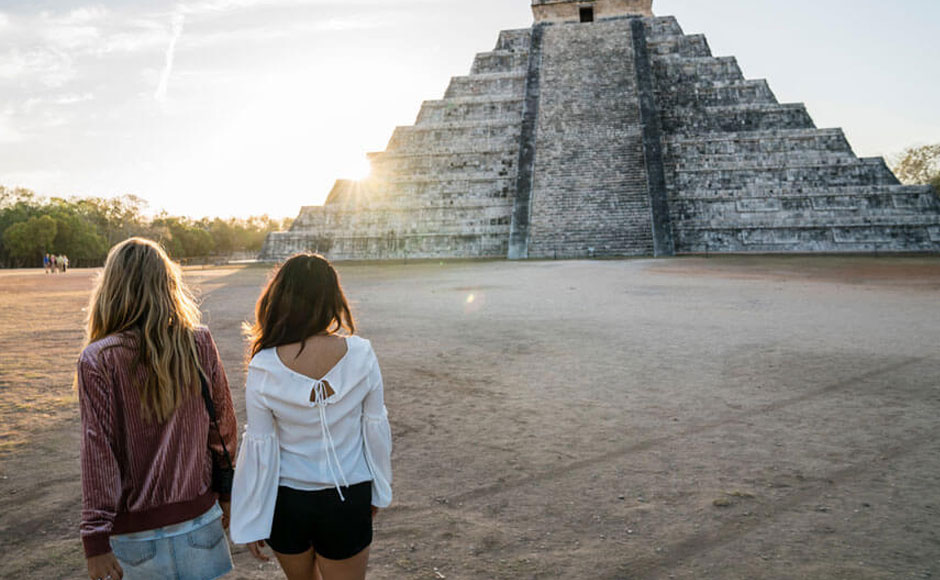
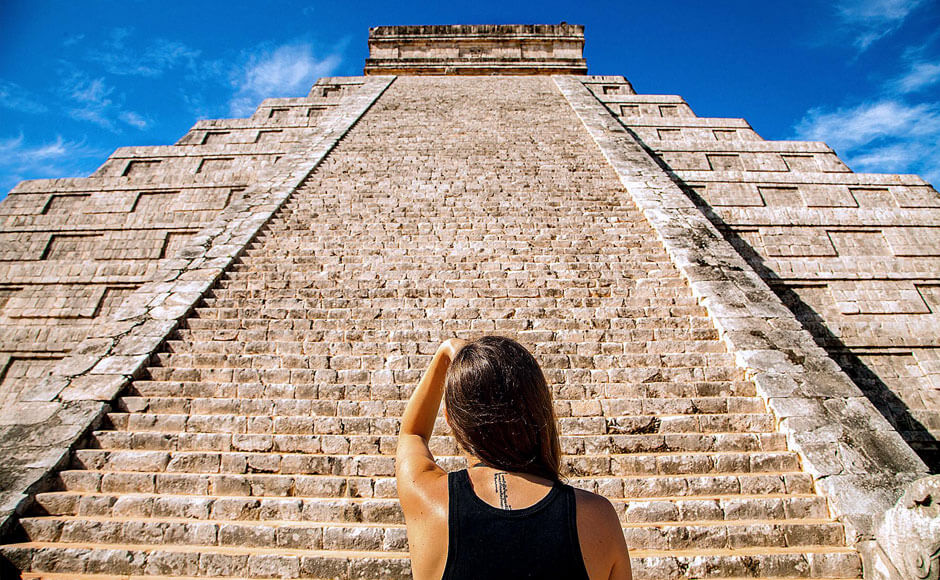
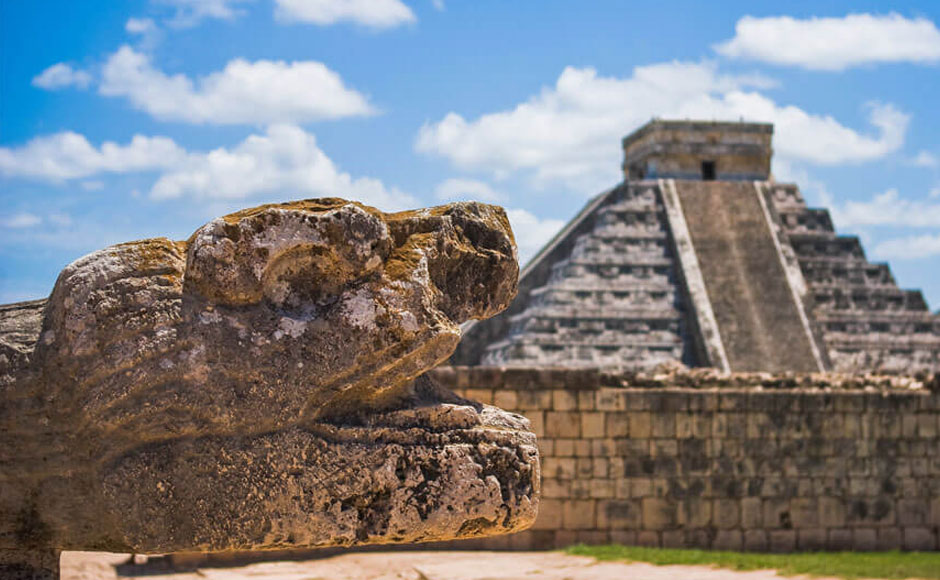
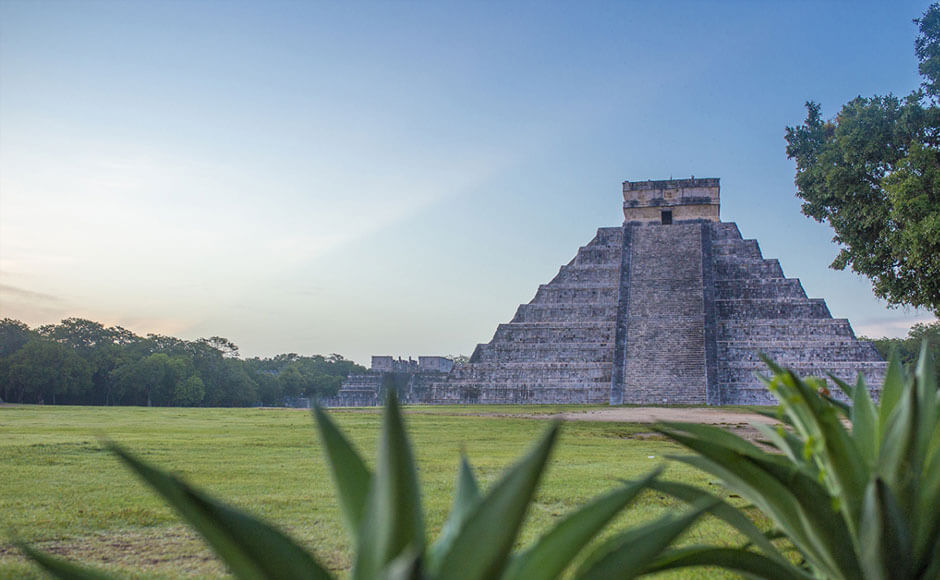
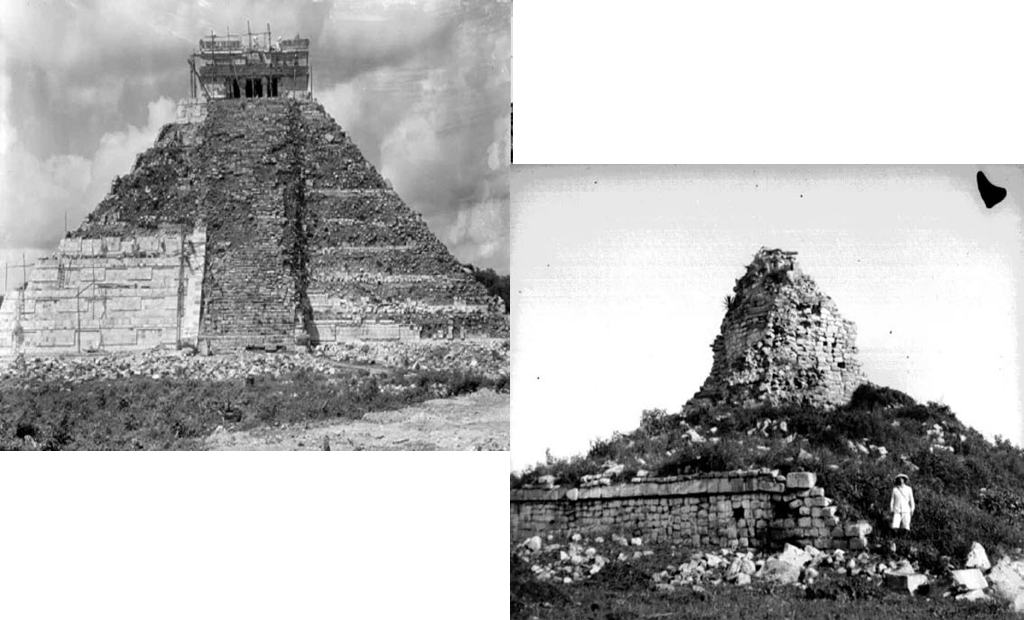
Buildings: The Chichen Itza Pyramid or El Castillo is the most astonishing Mayan Ruin or building inside the Archaeological Site.





Chichen Itza is a well-known Archaeological Site and more after being selected one of the New 7 Wonders of the World in July the 7th, 2007.
Chichen Itza welcomes over 2,500,000 visitors each year and you can reach the archaeological site by car, bus or with different tours.
Chichen Itza opens every day from Monday to Sunday from 8 am to 5 pm, the last entrance is at 4 pm, and you can get the tickets on site. You can also checkout: Chichen Itza Tickets.
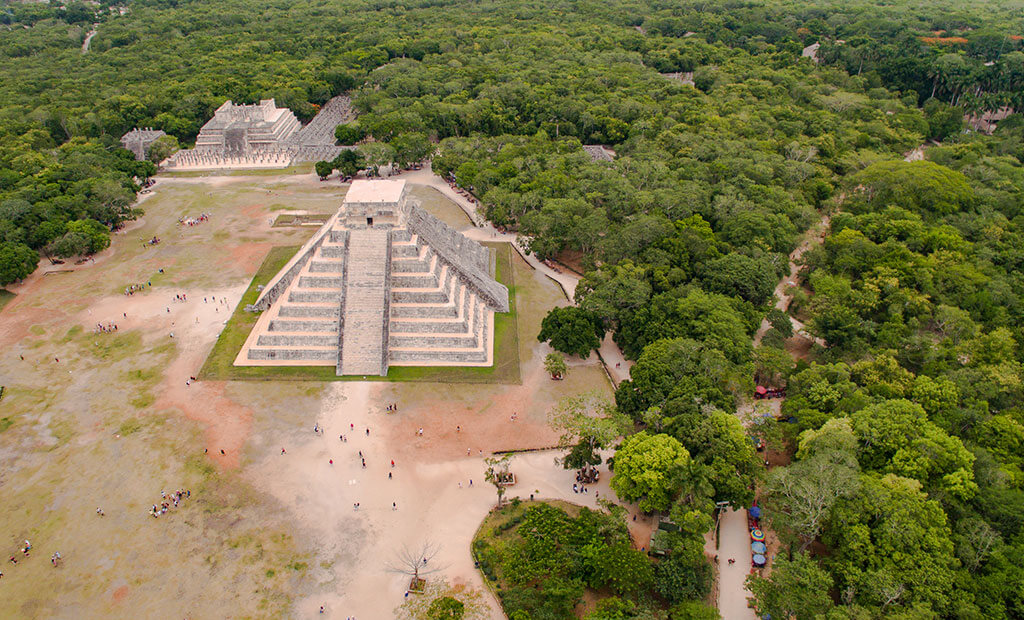
Chichen Itza is beautiful and magnificent just as you must have already heard and it has plenty of Mayan Ruins to visit and get to know about its history.
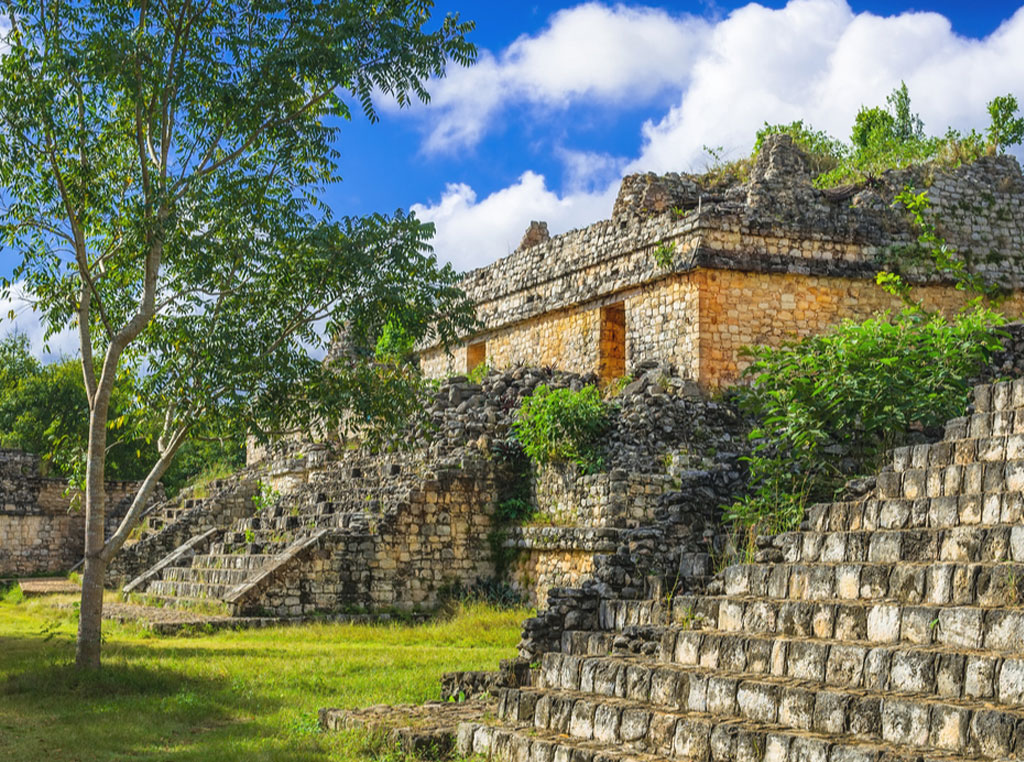
Chichen Itza is divided in Old Chichen and Chichen Itza where you can find 6 Mayan Ruins in the Old Chichen section and about 20 Mayan Ruins in the New Chichen or Chichen Itza, making it a total of 26 Mayan Ruins to see on the Mayan Site.
The main Mayan Ruin is the Chichen Itza Pyramid or El Castillo, but there are other equaly important as El Caracol or Observatory, The Temple of The Warriors and the Mayan Ball Game.
Chichen Itza Location: The ancient city of Chichen Itza is located in the state of Yucatan, eastern Mexico. Right in the middle of Merida Yucatan and the famous city of Cancún Quintana Roo, Chichen Itza is settled. The exact coordinates (in case you wonder) are 20.6843° N, 88.5678° W. Click here to see the map to Chichen Itza.
Opening hours: Sunday to Saturday, from 8 am to 5 pm. Closing time starts by 4-4:30 pm.
ContactBooking: 1 855 577 9836
Archaeological Site Chichén Itzá: 985 8 51 01 37
Centro INAH Yucatán: 999 9 13 40 34, ext. 398003 y 398004 y 999 9 44 40 68
One of the best ways to get to Chichen Itza is by hiring a Tour. Most people who visit Chichen Itza visits it from Cancun or the Riviera Maya.



Chichen Itza is open from Sun - Sat 8:00 AM - 5:00 PM
The Pyramid of Kukulkan is the tallest building in Chichen Itza, it reaches 30 meters in height or about the length of a football field.
Entrance tickets currently cost $614 MXN for foreigners, while a popular guided tour starts at around $6.99 per person.
Chichen Itza is a well-known Archaeological Site and One of the New 7 Wonders of the World.
From 550 AD to 800 AD, Chichen Itza existed mainly as a ceremonial center for the Maya civilization. But it was in 1200 AD when it was built as we know it today.
Chichen Itza Archaeological Site is handled by INAH (Instituto Nacional de Antropología e Historia) which is the organism that handles all the Archaeological sites in Mexico.
Chichen Itza Entrance Fee is $614 MXN which translates to $28.5 USD approx. and this fee must be paid onsite.
Learn more...
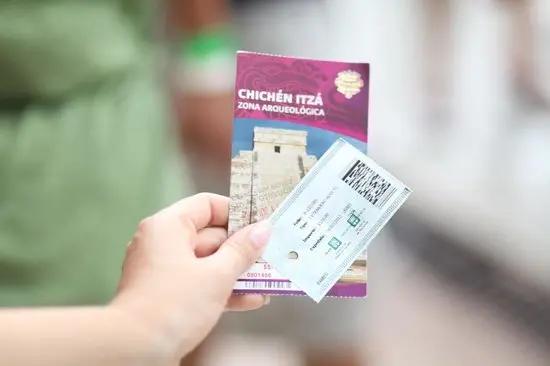
There are several types for the tour. Select the one that most suit your conditions and expectations.
This is the classic Chichen Itza Tour and it’s perfect for a journey to visit the Mayan Ruins of Chichen Itza.
Learn more...Enjoy the perks of the regular Chichen Itza Tour, Plus some extra amenities like unlimited drinks onboard the bus.
Learn more...This is a great tour for you. The Chichen Itza Deluxe Tour has all the benefits of the Plus tour, but in addition you get a Box lunch, Premium Drinks onboard the bus and an Umbrella at Chichen Itza.
Learn more...Visit Chichen Itza at your own pace. With the Private Chichen Itza Tour you can visit the Mayan Ruins whenever you want and how you want to… Go to Chichen Itza earlier than everyone, or later.
Learn more...Enjoy the perks of traveling in Luxury. If you want to get in style to Chichen Itza, you must book this tour. Get to Chichen Itza from Cancun or the Riviera Maya in a Suburban vehicle with refreshing amenities on the ride.
Learn more...
The Yucatan Peninsula is home to beautiful Chichen Itza, but also lots of other Mayan Ruins and beautiful destinations.
Learn more about Yucatan Peninsula Cancun Airport Transportation
Cancun Airport Transportation is the main provider for private Cancun Airport Transfers from the Cancun Airport.
 Cancun Airport
Cancun International Airport is the main airport in Mexico for international travelers.

 ESPAÑOL
 FRANCES
 PORTUGUES
 ITALIANO